1977 Enfield Poltergeist Incident in London
格林街284号的敲击声、男声与半世纪未决的真伪之争
Between 1977 and 1979, reports of knocking sounds, furniture moving by itself, and a teenage girl speaking in a male voice emerged from a council house in Enfield, on the northern outskirts of London. Investigators left behind extensive audio recordings and photographs, but no consensus was ever reached between the interpretation of a "genuine poltergeist" and that of children fabricating the events.
- 发生地点
- 英国 · 伦敦恩菲尔德区
- 发生时间
- 1977-08-01
- 浏览量
- 11
- 评论
- 0
真实性声明
存在争议:不同来源说法冲突,尚未形成定论
本档案区分历史事实、媒体报道、民间传说与未经证实的用户报告。 未经独立印证的目击陈述与坊间传闻均已标注来源性质,不作为已发生的事实呈现。
事件档案
Overview
【Confirmed Fact】Poltergeist phenomena — “poltergeist” comes from German, meaning “noisy spirit” — constitute a specific category of phenomena in paranormal and supernatural research: witnesses describe an unseen force producing loud noises, moving or destroying furniture and household items, and even pinching, biting, striking, or tripping people present. The concept has deep roots in European folklore, and Britain is one of the regions with the densest records of modern poltergeist cases.
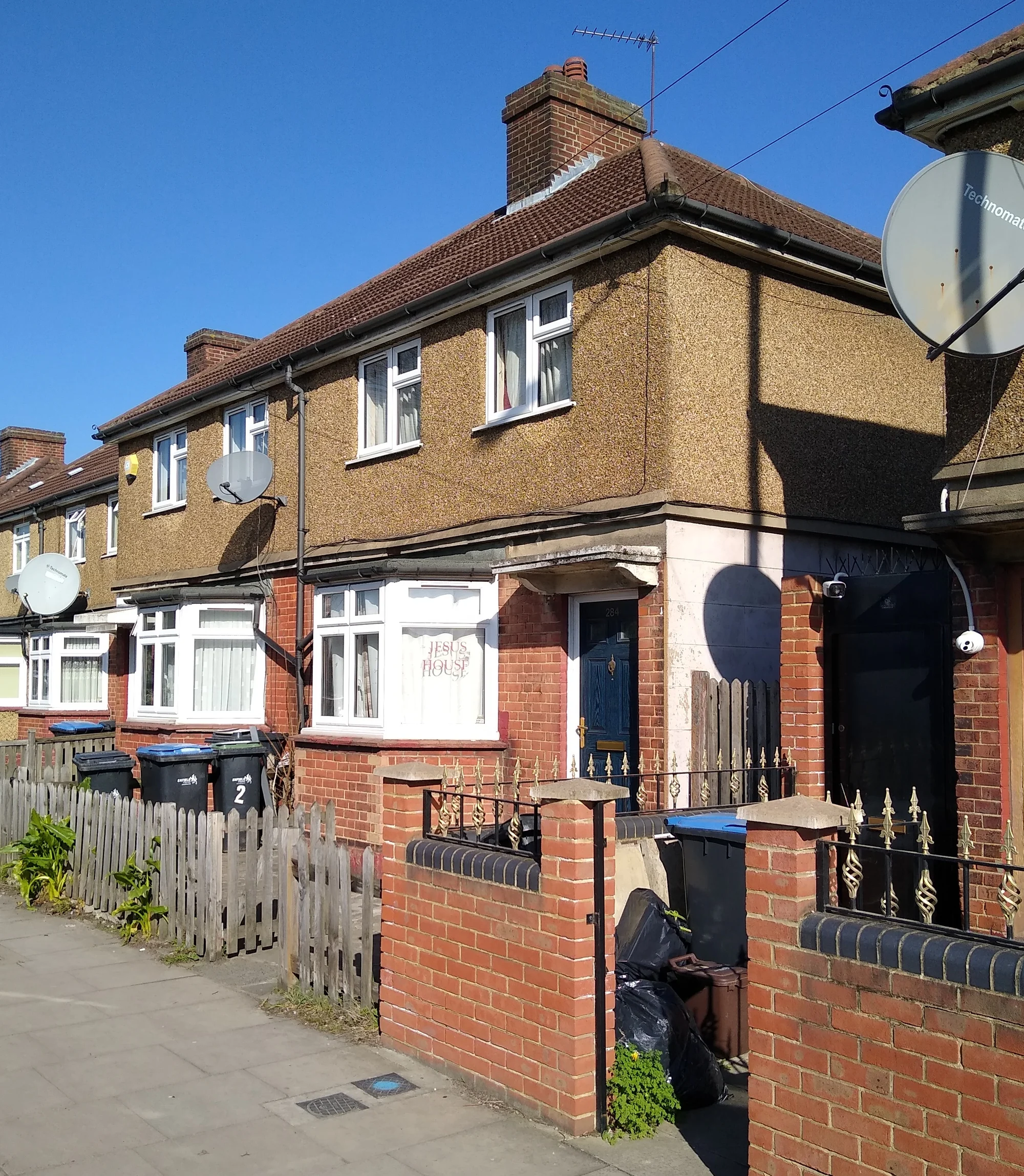
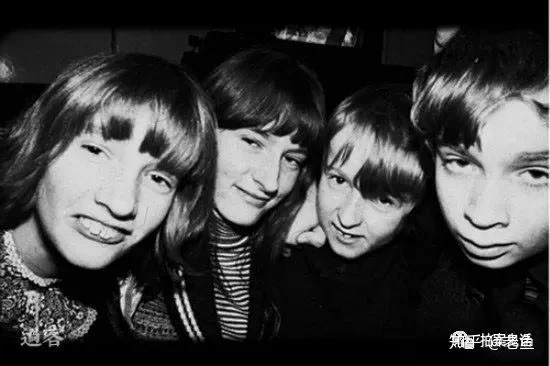
【Confirmed Fact】This archive focuses on the Enfield poltergeist incident, one of the most thoroughly documented and widely influential poltergeist cases in twentieth-century Britain and internationally. According to the Chinese Wikipedia entry, the events took place between 1977 and 1979 at 284 Green Street (Green Street) in Brimsdown (Brimsdown), Enfield (Enfield), on the northern outskirts of London, England. The alleged supernatural activity was concentrated around two Hodgson girls: eleven-year-old Janet Hodgson and thirteen-year-old Margaret Hodgson.
The keyword “Enfield poltergeist incident” in ordinary usage refers uniquely to this case. Along with cases such as the Borley Rectory and the Battersea poltergeist, it is regarded as a representative chapter in the history of hauntings in Britain, and served as the inspiration for the 2016 horror film The Conjuring 2.
Origins and Circulation
【Unverified】According to the most widely circulated version, in August 1977, shortly after single mother Peggy Hodgson moved into 284 Green Street with her four children, violent knocking sounds began to occur in the house late at night. These were followed by furniture shifting by itself, drawers opening and closing, and children’s toys and household items flying through the air. The children claimed that beds shook violently and that people were dragged by an invisible force.
【Confirmed Fact】These reports quickly attracted media attention. Continuous coverage by British newspapers made 284 Green Street one of the most closely watched houses in Britain at the time, with journalists, neighbours, and onlookers gathering outside for extended periods.
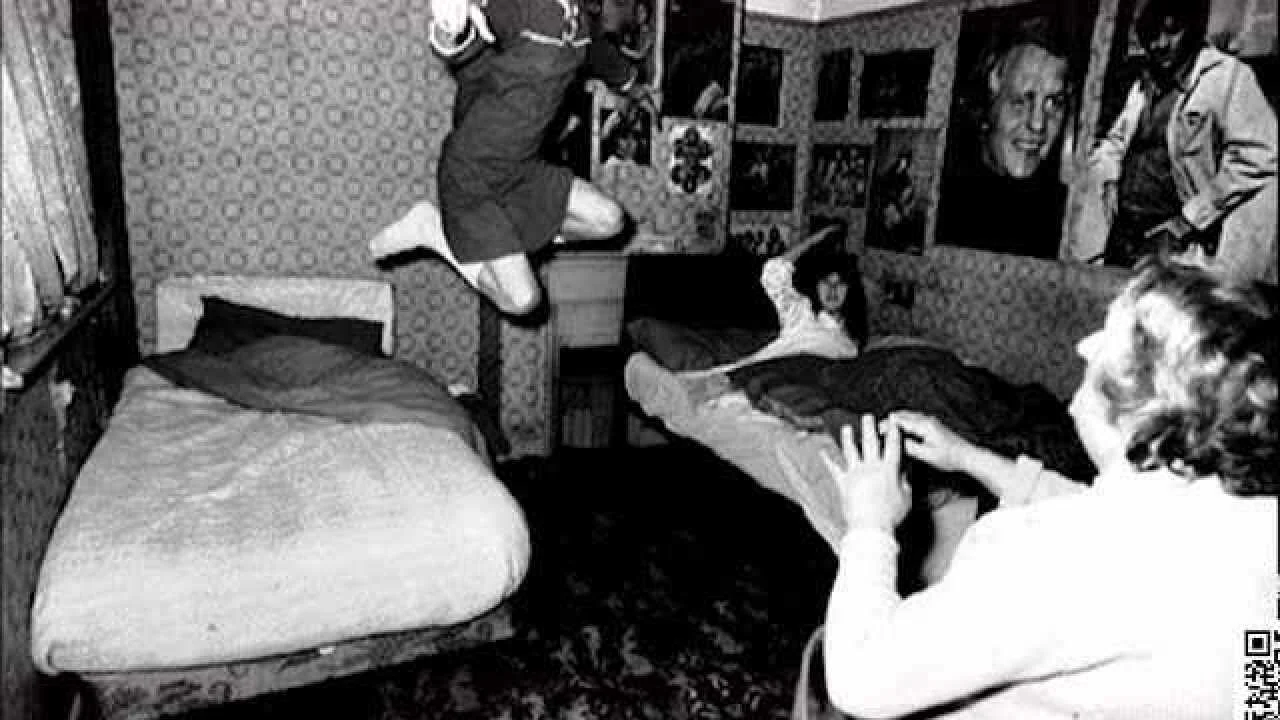
【Confirmed Fact】Investigators from the Society for Psychical Research, Maurice Grosse and writer Guy Lyon Playfair, became involved and publicly stated that they believed the phenomena were genuine. Photographer Graham Morris produced numerous photographs and audio recordings inside the house, and this material later became the most frequently cited “evidence” for the case. At the same time, Anita Gregory and John Beloff within the Society took the opposite position, arguing that the girls had staged phenomena in front of journalists.
【Confirmed Fact】Members of the Committee for the Scientific Investigation of Claims of the Paranormal, including stage magician Milbourne Christopher and investigator Joe Nickell, criticised paranormal investigators for being overly credulous and noted that several details of the case resembled children’s pranks. The dispute over authenticity has continued from the 1970s to the present without reaching consensus.
Witness Patterns and Sequence of Events
【Unverified】In circulating accounts, the phenomena displayed classic poltergeist features: nocturnal knocking, movement and levitation of furniture and objects, matches spontaneously igniting, water welling up in sinks without cause, and sudden drops in indoor temperature. The most striking element was the alleged “possession”: Janet was said to suddenly speak in a deep, hoarse male voice, identifying herself as the spirit of an elderly man who had once lived in the house, and recounting old matters she should not have known.
【Unverified】Supporters argue that these voices and their content exceeded the knowledge range of an eleven-year-old girl and constitute the most difficult part of the case to explain. Critics respond that the formation of the “male voice” in the recordings is not inconsistent with laryngeal vocal technique, and that some phenomena occurred only when the girls were present, or when the camera equipment happened to be positioned in blind spots.
【Confirmed Fact】Regardless of authenticity, the scale of material left by this case is rare in poltergeist research: numerous photographs, dozens of hours of recordings, correspondence between investigators and residents, and footage from television and radio documentaries have made Enfield a specimen repeatedly re-examined by later researchers.
【Speculation】Judging from the available material, one reason the case has long remained inconclusive is that it simultaneously displays two characteristics: recordings and images that are difficult to explain by conventional means, and clear instances of fabrication identified on the spot. The explanation that “some phenomena were genuine while some were performances by children seeking attention” covers the existing evidence better than judgements of wholly real or wholly false.
Related Similar Cases
【Confirmed Fact】The best-known British comparison case is the Cock Lane Ghost: in 1762, knocking sounds and a séance involving “Scratching Fanny” occurred in a rented house in Smithfield, London, causing a citywide sensation. A committee including Samuel Johnson ultimately concluded that Elizabeth Parsons, the landlord’s daughter, had imitated the sounds as a hoax, and landlord Richard Parsons was sentenced to imprisonment and the pillory. It shares the same narrative pattern as the Enfield case: disturbance, crowds of onlookers, investigation, exposure — and the controversy did not end there.
【Unverified】Other cases frequently mentioned alongside it include: the 1930s Borley Rectory case in Essex, known as “the most haunted house in England”; the 1938 case in Battersea, London, involving knocking events attributed to a figure signing himself “Donald” around teenage Shirley Hitchings; the 1967 case in a law office in Rosenheim (Rosenheim), Bavaria, Germany, involving flickering lights and telephone disturbances; the 1991–1992 poltergeist in a rented house in Stockbridge, Edinburgh; the strange noises in the Wesley family home at Epworth (Epworth) parsonage in Lincolnshire in 1716; and the 1974 “Entity” case in Culver City, California, United States, later adapted as the film The Entity. The Amityville horror-house legend on Long Island is also often placed alongside this case as a representative example of a “real paranormal event adapted into film.”
Popular Culture and Influence
【Confirmed Fact】The Enfield case has been included in numerous books on supernatural subjects and has appeared in television and radio documentaries. In 2016 it was adapted into the horror film The Conjuring 2, in which a couple of paranormal investigators move into the Hodgson home. The film’s large box-office success brought the case, nearly half a century old, back into global popularity, and 284 Green Street became a site of attention and submissions for paranormal enthusiasts.
【Speculation】The amplification by popular culture had two consequences: on one hand, details of the case were progressively dramatised in circulation, and certain cinematic elements actually originated in the film rather than the original investigation records; on the other, the original archive attracted more attention, allowing researchers to return to the recordings and photographs themselves for renewed examination.
Note on Sources
The factual framework of this archive is based mainly on the Chinese Wikipedia entry “Enfield Poltergeist.” The definition and general characteristics of poltergeist phenomena follow the entry “Poltergeist phenomenon.” The sequence of the Cock Lane Ghost events follows the entry “Cock Lane Ghost.” All of these entries are encyclopaedic compilations that themselves record the divergence between supporters and sceptics; therefore, the supernatural aspects in this archive are uniformly marked as unverified. Names, places, and dates in the case are taken from the above public compilations, and no sources outside those materials have been added.
相关档案
尼斯湖水怪
尼斯湖水怪是苏格兰北部因弗内斯郡尼斯湖地区流传百年的传说,19世纪以来不断有人声称目击湖中长颈、驼背的水生巨兽。1933 年马勒里船长之死与部分尸块照片曾引发热潮,但 1990 年代后的声呐与水下观测未能发现任何大型未知动物。相关档案显示,该传说与当地旅游营销、科学界的反复辟谣以及伪造照片的历史长期交织,是世界上被记录最详尽的未解水怪传说之一。
苏联电视通灵大战
1989年起,卡什皮罗夫斯基在苏联中央电视台主持集体催眠治疗节目,丘马克则声称能“充能”水和物品。电视通灵现象真实存在并引发全国轰动,但疗效主张未获科学证实,成为改革年代媒体与医学争议的标本。
讨论(0)
登录 后可以参与讨论、回复他人并提交线索。
评论加载中…