The 1959 Dyatlov Pass Incident: Deaths of a North Ural Mountaineering Team
北乌拉尔冬夜里的九人遇难谜案
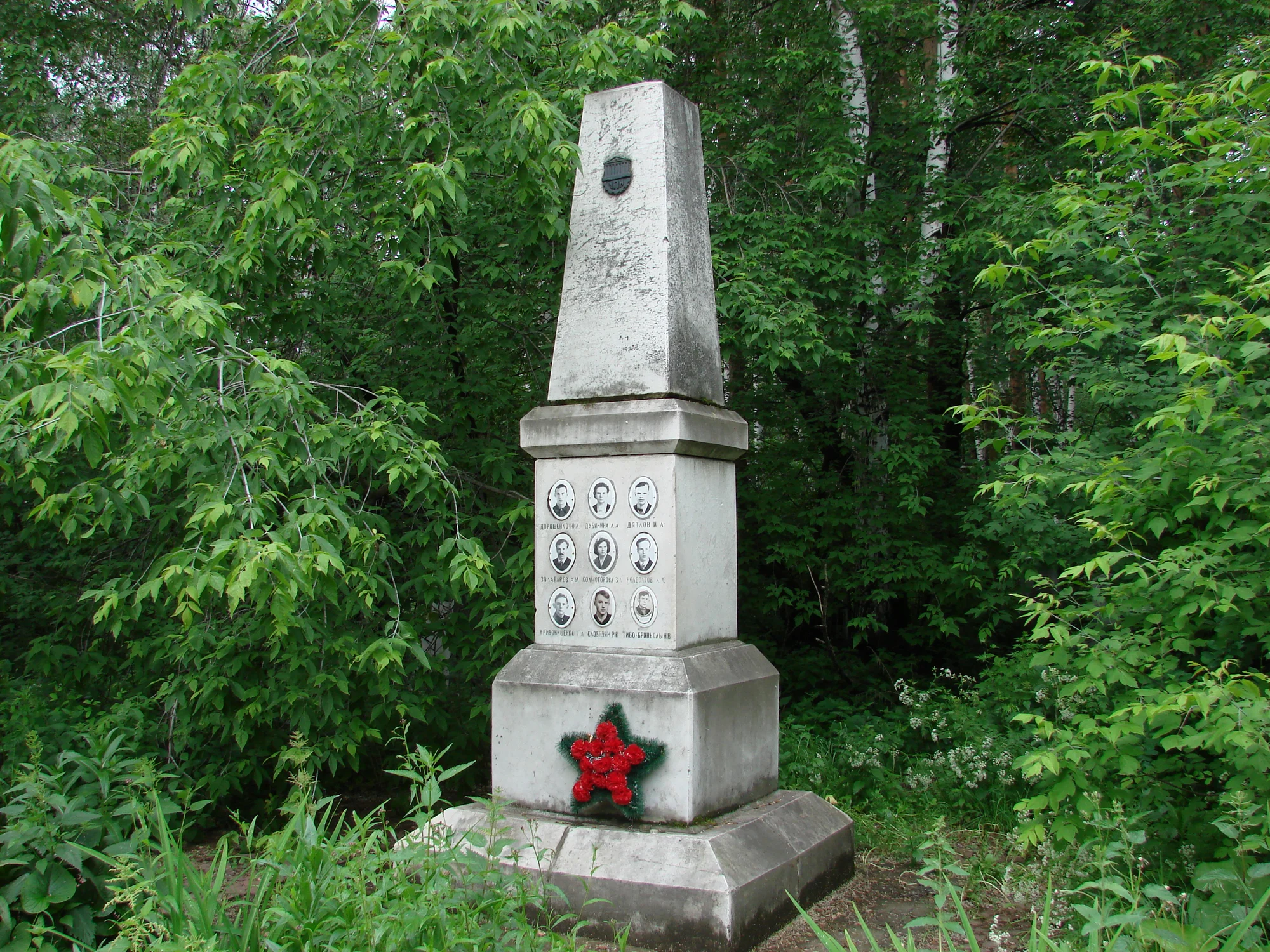
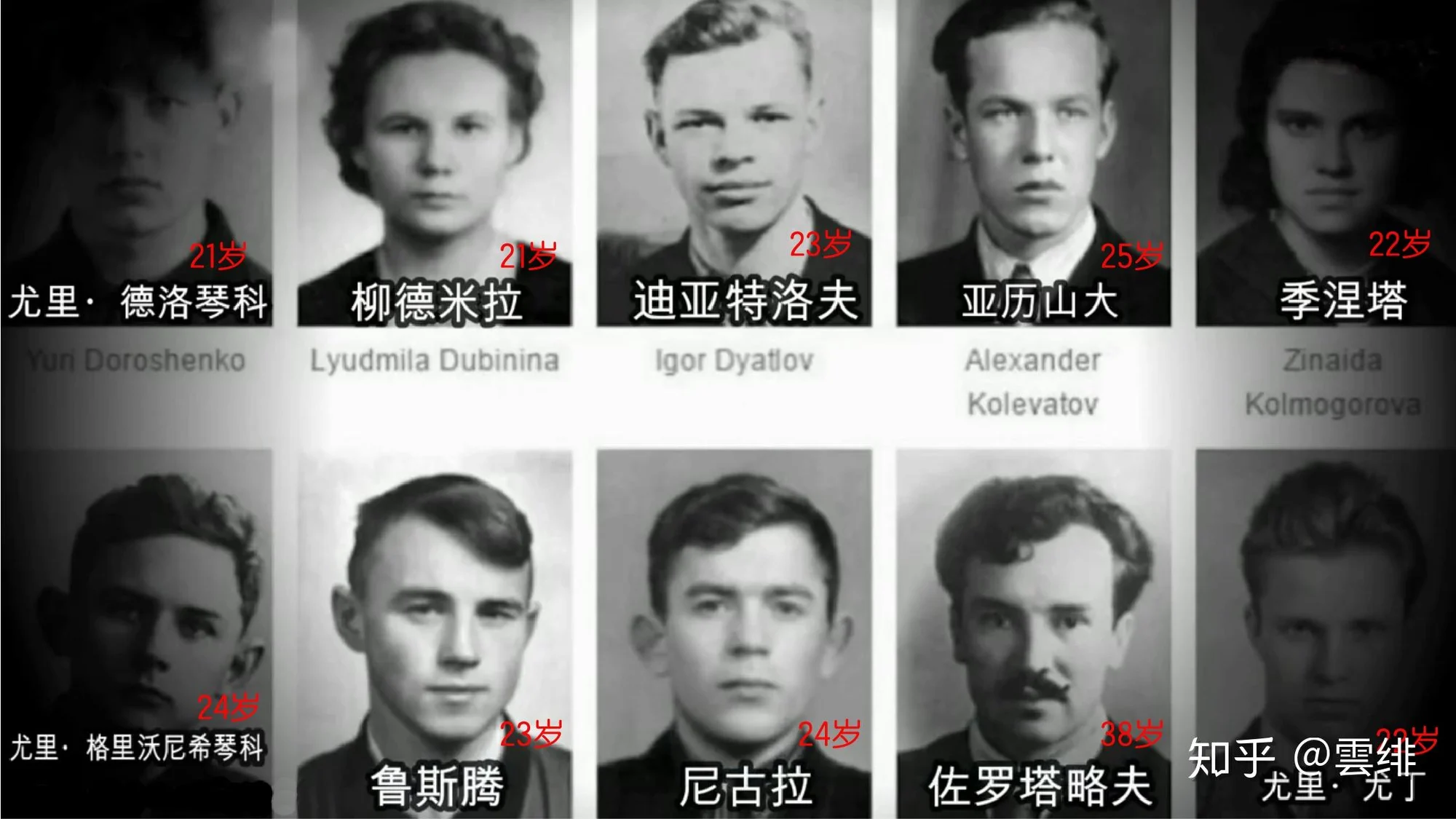
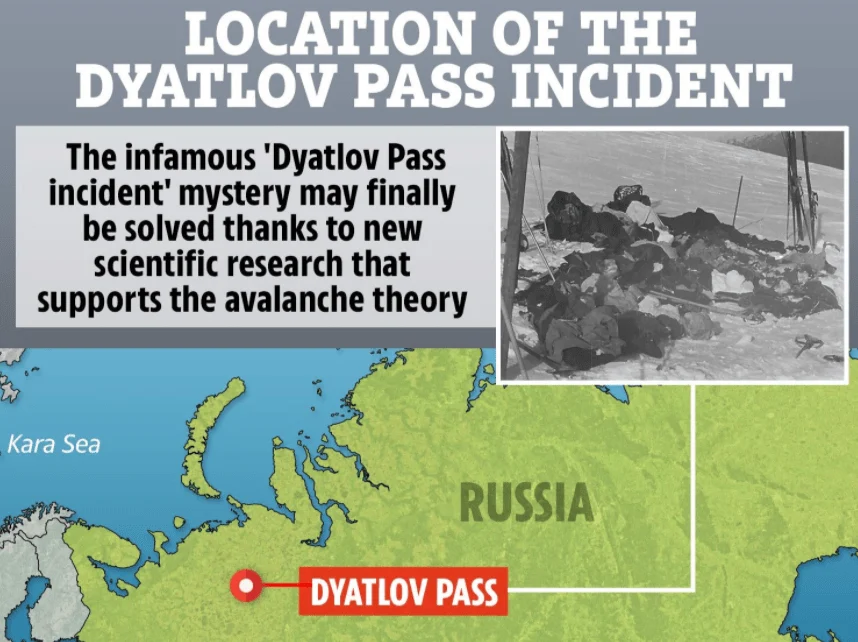
In Chinese-language online discourse, the "Dyatlov Pass incident" usually refers to the Dyatlov incident—the unsolved mystery surrounding the deaths of a Soviet North Ural mountaineering team. This archive focuses on the specific event of 2 February 1959, in which nine mountaineers died in the area of Kholat Syakhl (Kholat Syakhl).
- 发生地点
- 苏联 · 北乌拉尔山脉
- 发生时间
- 1959-02-02
- 浏览量
- 1
- 评论
- 0
真实性声明
存在争议:不同来源说法冲突,尚未形成定论
本档案区分历史事实、媒体报道、民间传说与未经证实的用户报告。 未经独立印证的目击陈述与坊间传闻均已标注来源性质,不作为已发生的事实呈现。
事件档案
Overview
【Confirmed fact】In Chinese-language contexts, the "Dyatlov Pass incident" usually refers to the "Dyatlov incident," the core of which is the mysterious death of nine mountaineers on the night of 2 February 1959 in the North Ural Mountains within the Soviet Union. The site is located at Kholat Syakhl (Kholat Syakhl), at an elevation of 1,097 metres; in the Mansi language, the mountain's name means "Mountain of the Dead." Later, the mountain saddle at the accident site was named "Dyatlov Pass" in memory of the team leader, Igor Dyatlov. 【Confirmed fact】This archive does not focus on vague mountain-monster rumours, but on this specific event with a clear time, place, number of people and origin of its name: a nine-person mountaineering team perished in the mountains on a winter night and, because there were no survivors and no direct witnesses, gradually became an unsolved case.
Origin and spread
【Confirmed fact】Records state that, because there were no witnesses, Soviet investigators characterised the cause of death only as "a compelling unknown force." Within three years of the accident, the area was completely sealed off, and skiers and explorers were forbidden to enter. This state of closure meant that the event had an information gap from the very beginning. 【Confirmed fact】There were no survivors, and therefore no detailed timeline. The only framework that can be established is: the night of 2 February 1959, the North Ural Mountains, the area of Kholat Syakhl, the deaths of nine mountaineers, and the later naming of the pass after the team leader. 【Unverified】According to popular accounts, the three-year closure has been explained as "anomalous findings being covered up"; some online claims also link the event to supernatural forces, secret experiments or mountain apparitions. None of these versions is supported by the records, and they can only be regarded as rumours that formed during the spread of the unsolved case. 【Speculation】Judging from the closure, the absence of witnesses and the open-ended wording described in the records, this case naturally had the conditions to breed rumours: the factual skeleton is clear, but the key process is blank. Following the common传播 path of similar mysteries, such stories often first spread by word of mouth in close-knit communities, then enter long forum posts, short-video commentary and popular suspense content, gaining dramatic details through repeated retelling.
Witness patterns or course of events
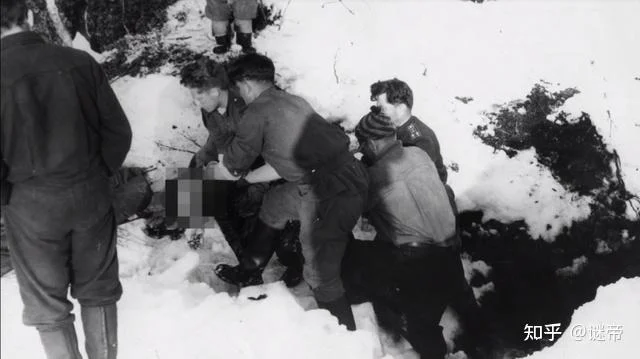
【Confirmed fact】The most unusual "witness pattern" in this case is in fact the absence of witnesses. No survivor could describe what happened that night, and no complete timeline can connect the team's final actions. Later accounts therefore mainly revolve around the location, the number of people, the characterisation of the investigation and the background of the closure. 【Unverified】Online claims state that the state of the tent, footprints in the snow, the distribution of the bodies and the condition of the clothing were contrary to common sense, and on this basis explanations such as "forced flight" and "intervention by an external force" have been derived. Other versions emphasise cold, darkness, terrain and errors of judgement by the team. Because the available records do not list these details, none of them can be treated as conclusive; they can only be recorded as samples of rumour. 【Speculation】Given that the event occurred in the winter mountains of the North Ural region and the place-name meaning of "Mountain of the Dead," a more conservative inference is a combination of natural environmental hazards and sudden circumstances, such as the itinerary being forced to stop, hypothermia, and a chaotic evacuation. This inference is based on the danger of the high-mountain winter environment, not on any mysterious piece of evidence; it likewise cannot explain all the circulated details.
Related similar cases
【Confirmed fact】As a non-related comparative case, the February 26 Incident was a failed coup that took place in Tokyo, Japan, on 26 February 1936 and belongs to the category of political violence and military-political struggle; it has no causal relationship with the North Ural mountain deaths and cannot be used to explain this case. 【Confirmed fact】The television drama The Kindaichi Case Files is a suspense drama adapted from the mystery manga of the same name and its derivative works, telling stories of a detective solving puzzles. It is likewise not evidence in this case and only illustrates how popular culture consumes "complex mysteries." 【Speculation】When the three are examined side by side, the different ways in which mysteries are narrated become apparent: political events readily give rise to conspiracy narratives, detective dramas provide an entertainment framework of "final solutions," and the Dyatlov incident, because of the absence of witnesses, an incomplete timeline and open-ended investigative wording, is more easily fitted into the template of "science cannot explain it." Such a juxtaposition is only a narrative comparison and does not indicate that they share an origin.
Popular culture and influence
【Confirmed fact】The influence of the event is first reflected in the memory of place names: the mountain saddle at the site was later named "Dyatlov Pass," permanently binding the team leader's name to the place of death. Second, the closure of the area for three years after the accident also sustained outside imaginings of a "forbidden zone" for a long time. 【Unverified】Popular accounts often stitch together the three pieces of information—"Mountain of the Dead," the deaths of nine people and "a compelling unknown force"—into a fixed opening, then add elements such as tents, footprints and snowy nights to form the classic mystery structure of short videos and forum stories. These narrative methods enhance传播力 but are not equivalent to an increase in evidence. 【Speculation】Judging from these传播 characteristics, the reason this case has long attracted attention is not that supernatural evidence has steadily grown stronger, but that key links have remained blank for a long time: no survivors, no complete timeline, and an investigative conclusion that leaves room for interpretation. The more blank space there is, the easier it is for people of different positions to fill in the answers they need.
Note on sources
【Confirmed fact】The basic facts in this archive are taken from the entry on the "Dyatlov incident," including the time, place, number of people, meaning of the mountain name, naming of the pass, characterisation of the investigation and the closure. The entries on the February 26 Incident and the television drama The Kindaichi Case Files serve only as narrative comparisons and are not used to prove supernatural explanations of this case. 【Unverified】Any claims involving secret experiments, supernatural forces or anomalous scene details are treated as rumours; they can help explain why the story spread, but they cannot raise the level of authenticity of the event, nor can they replace a careful distinction between original facts.
相关档案
王恭厂大爆炸
1626 年 5 月 30 日巳时,北京西南隅工部王恭厂火药库一带发生剧烈爆炸,天变邸抄记载屋宇倾覆、天色昏黑、死者裸体、衣物飞散。《明实录》记塌房一万零九百三十间、压死五百三十七人。成因有火药爆炸、地震、龙卷、陨石等多种解释,至今没有定论。
尼斯湖水怪
尼斯湖水怪是苏格兰北部因弗内斯郡尼斯湖地区流传百年的传说,19世纪以来不断有人声称目击湖中长颈、驼背的水生巨兽。1933 年马勒里船长之死与部分尸块照片曾引发热潮,但 1990 年代后的声呐与水下观测未能发现任何大型未知动物。相关档案显示,该传说与当地旅游营销、科学界的反复辟谣以及伪造照片的历史长期交织,是世界上被记录最详尽的未解水怪传说之一。
讨论(0)
登录 后可以参与讨论、回复他人并提交线索。
评论加载中…